Be yourself; Everyone else is already taken.
— Oscar Wilde.
This is the first post on my new blog. I’m just getting this new blog going, so stay tuned for more. Subscribe below to get notified when I post new updates.
Be yourself; Everyone else is already taken.
— Oscar Wilde.
This is the first post on my new blog. I’m just getting this new blog going, so stay tuned for more. Subscribe below to get notified when I post new updates.
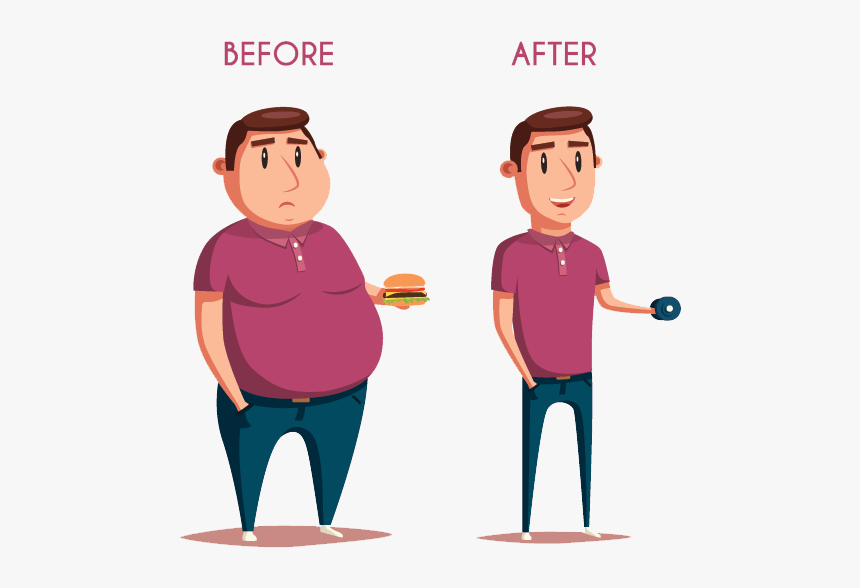
Weight management has been thought of as only weight loss by many. Weight management covers all aspects of attaining and maintaining optimum weight for a healthy lifestyle. Health professionals now realize that prevention of weight gain as well as weight loss and improving health status are important goals. These goals must be individualized for success.
At the outset of treatment, the patient and health care provider should discuss and agree upon goals. The goals must take into account the food habits, exercise behaviors, psychological outlook and support systems of the individual. Realistic expectations, short- and long-term, may be promoted by a discussion of a healthy weight versus an ideal body weight. Features of weight management interventions may include behavior modification, dietary principles, energy balance components, and a sound food plan.
-CRES JADE T. VALLENTE
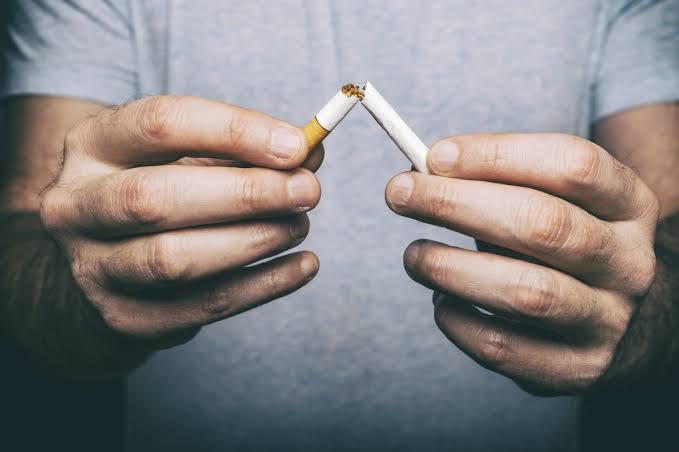
Smoking tobacco is both a physical addiction and a psychological habit. The nicotine from cigarettes provides a temporary—and addictive—high. Eliminating that regular fix of nicotine causes your body to experience physical withdrawal symptoms and cravings. Because of nicotine’s “feel good” effect on the brain, you may turn to cigarettes as a quick and reliable way to boost your outlook, relieve stress, and unwind. Smoking can also be a way of coping with depression, anxiety, or even boredom. Quitting means finding different, healthier ways to cope with those feelings.
Smoking is also ingrained as a daily ritual. It may be an automatic response for you to smoke a cigarette with your morning coffee, while taking a break at work or school, or on your commute home at the end of a hectic day. Or maybe your friends, family, or colleagues smoke, and it’s become part of the way you relate with them.
To successfully stop smoking, you’ll need to address both the addiction and the habits and routines that go along with it. But it can be done. With the right support and quit plan, any smoker can kick the addiction—even if you’ve tried and failed multiple times before.
STEPS ON HOW TO QUIT SMOKING
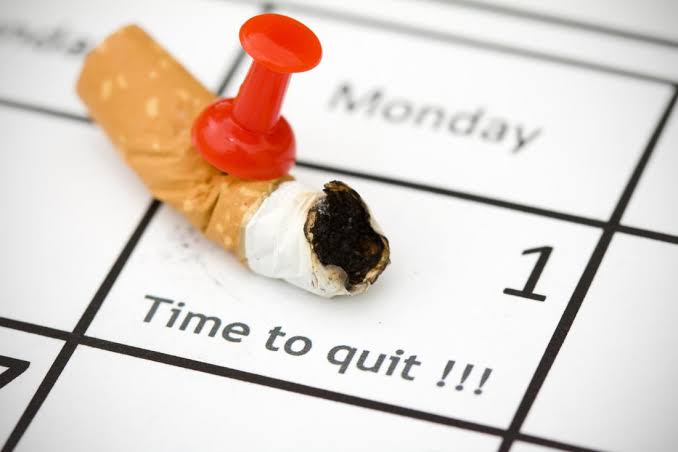
A step by step plan to help you quit smoking. The basic steps are the following:
Make the Decision to Quit
Understand Your High-Risk Times
Stock Up on Supplies
Pick a Quit Date
Let People Know
Remove Smoking Reminders
Maintenance and Coping Strategies
–JERLENNE RECONALLA
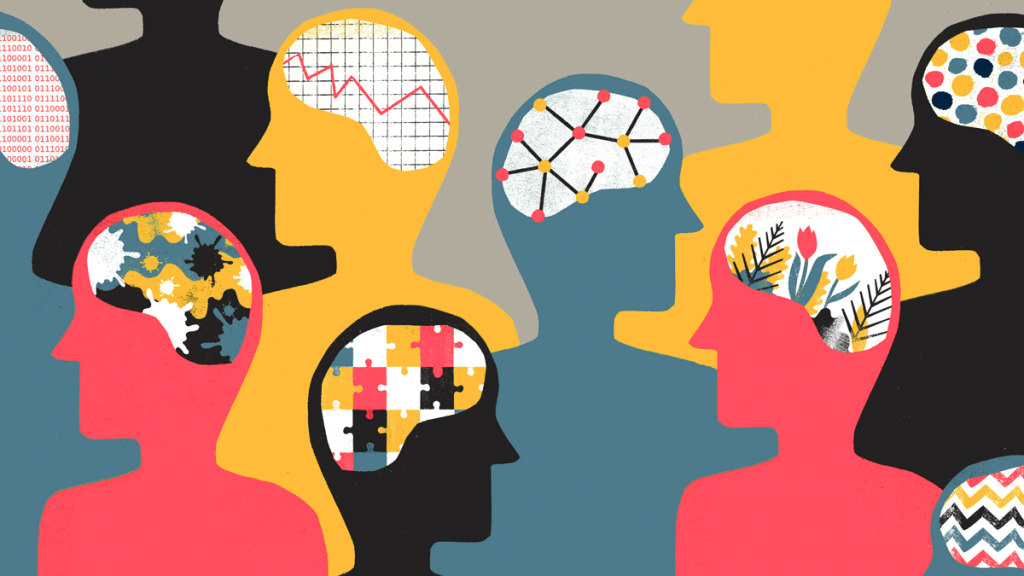
Mental health includes our emotional, psychological, and social well-being. It affects how we think, feel, and act. It also helps determine how we handle stress, relate to others, and make choices. Mental health is important at every stage of life, from childhood and adolescence through adulthood.
Over the course of your life, if you experience mental health problems, your thinking, mood, and behavior could be affected. Many factors contribute to mental health problems, including:
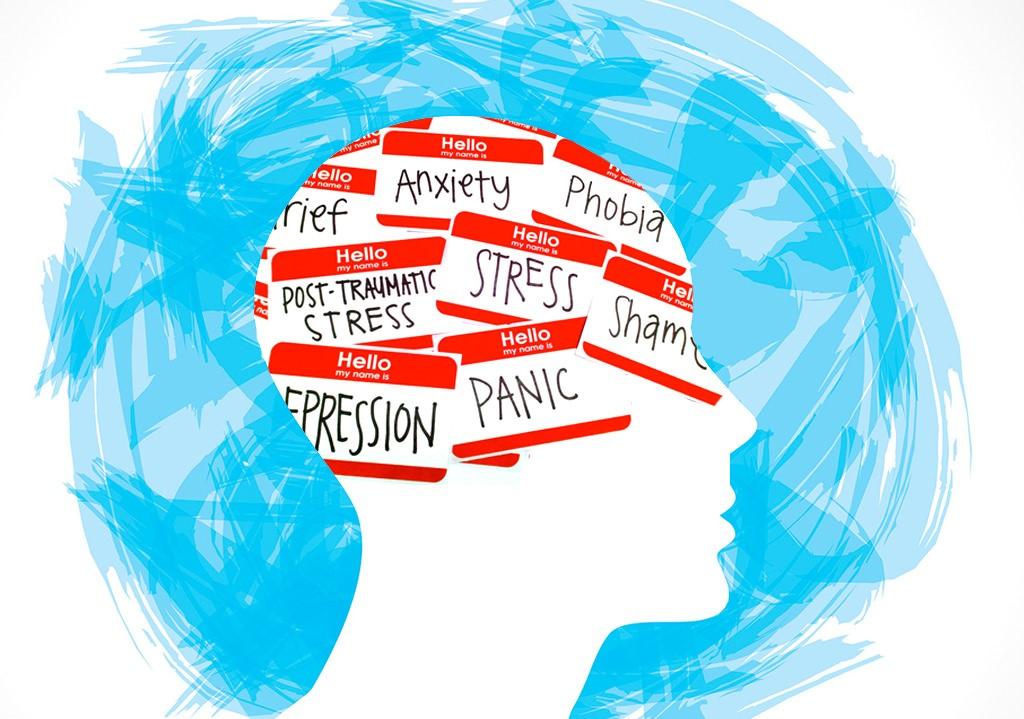
Good mental health is important for everyone.
Mental health is as important as physical health to our quality of life. Mental health is not simply the absence of mental illness, but also means having the skills necessary to cope with life’s challenges. If ignored, mental health problems can interfere with children’s learning, development, relationships, and physical health.
Mental health problems are common but help is available. People with mental health problems can get better and many recover completely.
Posted by Mark Lloyd Bano

Vitamin and mineral supplements can be costly. Taking them regularly might make you feel like you’re leading a healthier lifestyle. But a number of research studies suggest that supplements aren’t always beneficial. Taking certain vitamin and mineral supplements may even do more harm than good.
For some people, vitamin and mineral supplements offer important health benefits. If you have certain health conditions or needs, your doctor may suggest adding a supplement to your daily routine. But people who take supplements as an “insurance policy” against poor eating habits might increase their risk of health problems.
So how do you know what’s right for you? The best way is to talk to your doctor before taking dietary supplements. If you’re already taking supplements, ask them if it’s a good choice to continue. On top of raising your risk of certain health problems, some supplements may interact with medications that you’re taking.
The health benefits of vitamins include their ability to prevent and treat various diseases including heart problems, high cholesterol levels, and eye and skin disorders. Most vitamins facilitate many of the body’s mechanisms and perform functions which cannot be performed by any other nutrients.
Vitamins can be consumed in a variety of ways. Most common vitamins are acquired through the foods we eat but depending on your cultural or cuisine traditions, you may possibly have lower natural vitamin intake. Therefore, the nutrition industry has made supplements available that can boost the vitamin content in your body. A multivitamin is often considered the best option for improving the overall balance of your body, particularly if you have a job or a lifestyle that frequently causes you to miss meals, eat at strange times, or eat the same food very often.
Taking Vitamins can gave a lot of benefits to our body but we have to balanced it because if we don’t in taking the vitamins there is a slight chance of have a bad side effects like Here are some side effects related to the overconsumption of fat-soluble vitamins: Vitamin A. While vitamin A toxicity, or hypervitaminosis A, can occur from eating vitamin-A-rich foods, it’s mostly associated with supplements. Symptoms include nausea, increased intracranial pressure, coma, and even death.
There are 6 Health Benefits of Taking the Vitamins
1 Protects Your Eyes From Night Blindness and Age-Related Decline

2 May Lower Your Risk of Certain Cancers

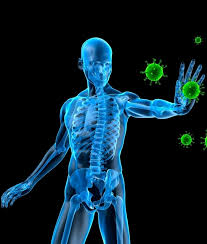
3 Supports a Healthy Immune System


6 Promotes Healthy Growth and Reproduction

Posted by Edgardo Abella Jr.
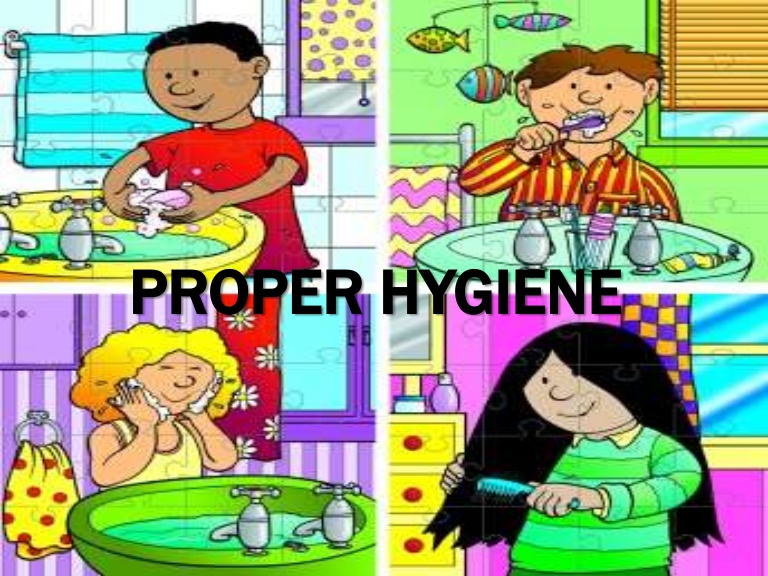
Practices that are generally considered proper hygiene include showering or bathing regularly, washing hands regularly and especially before handling food, washing scalp hair, keeping hair short or removing hair, wearing clean clothing, brushing teeth, cutting finger nails, besides other practices.
IMPORTANCE OF PROPER HYGIENE
Body Image
Body image influences self-esteem, confidence and motivation. Those who already have low self esteem and especially those with depression often neglect personal hygiene which perpetuates the problem of poor body image.
Health Reasons
Poor hygiene can lead to poor health. If you have cut yourself, the wound should be cleaned and dressed suitably, this can help reduced the risk of infection and pain.
Psychological Issues
By being well presented, clean and tidy, people can feel more confident, especially in social situations. Our chances of succeeding either in work or social settings, or even with the opposite sex can be altered by maintenance of good hygiene.
Therefore, if you are maintaining your proper hygiene it helps to reduce the risks of ill health, but equally important affects how we and others perceive ourselves and can influence our levels of confidence and self-esteem which can affect many aspects of our lives.
By: Peter Antoniette Laburada
-activity requiring physical effort, carried out to sustain or improve health and fitness.
Daily physical activity can help prevent heart disease and stroke by strengthening your heart muscle, lowering your blood pressure, and etc.Examples include brisk walking, jogging, swimming, and biking. Strength, or resistance training, exercises make your muscles stronger. Some examples are lifting weights and using a resistance band.
What happens if you don’t exercise?
If you do less exercise or activity you will become deconditioned. Your muscles weaken and lose bulk including the muscles you need for breathing and the large muscles in your legs and arms. You will become more breathless as you do less activity.
The Top 10 Best Exercises
Therefore, if people want to be physically fit and healthy, they should do regular exercise.
By: Maekhael Gabriel Tango-an

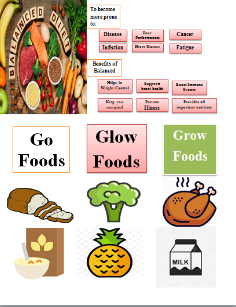
A healthy diet provides the body with essential nutrition: fluid, macronutrients, micronutrients, and adequate calories. A healthy diet may contain fruits, vegetables, and whole grains, and includes little to no processed food and sweetened beverages. Providing a healthy diet gives protection from all the diseases, heart strokes, diabetes , cancer and malnutrition in all its forms. It enables every individual to perform well in their daily lives. Having a healthy diet attracts a healthy mind that gives a drive to strengthen and to create positive outlook in life. Healthy diet is very important to have a good health and nutrition. It helps you to protects against many diseases, such as heart disease, diabetes and cancer. Eating a poor diet reduces physical and mental health because eating healthy allows people to be more active. Eating healthy foods can helps us to have strong immune system because our immune system is our defense against disease. Maintaining your immune system needs vitamins and minerals. Eating a well-balanced diet, including fruits, vegetables and food low in fats, will help you to support a healthy immune system. Eating healthy foods can helps us to have strong immune system because our immune system is our defense against disease. Maintaining your immune system needs vitamins and minerals. Eating a well-balanced diet, including fruits, vegetables and food low in fats, will help you to support a healthy immune system.
-CARL JOHN ALBARANDO
This is an example post, originally published as part of Blogging University. Enroll in one of our ten programs, and start your blog right.
You’re going to publish a post today. Don’t worry about how your blog looks. Don’t worry if you haven’t given it a name yet, or you’re feeling overwhelmed. Just click the “New Post” button, and tell us why you’re here.
Why do this?
The post can be short or long, a personal intro to your life or a bloggy mission statement, a manifesto for the future or a simple outline of your the types of things you hope to publish.
To help you get started, here are a few questions:
You’re not locked into any of this; one of the wonderful things about blogs is how they constantly evolve as we learn, grow, and interact with one another — but it’s good to know where and why you started, and articulating your goals may just give you a few other post ideas.
Can’t think how to get started? Just write the first thing that pops into your head. Anne Lamott, author of a book on writing we love, says that you need to give yourself permission to write a “crappy first draft”. Anne makes a great point — just start writing, and worry about editing it later.
When you’re ready to publish, give your post three to five tags that describe your blog’s focus — writing, photography, fiction, parenting, food, cars, movies, sports, whatever. These tags will help others who care about your topics find you in the Reader. Make sure one of the tags is “zerotohero,” so other new bloggers can find you, too.

 Site Title