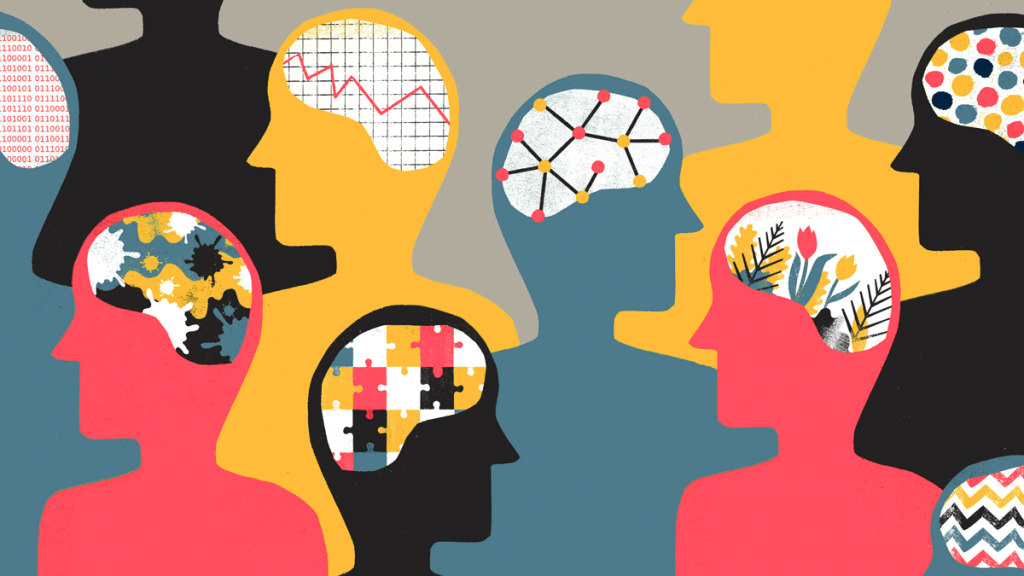
Mental health includes our emotional, psychological, and social well-being. It affects how we think, feel, and act. It also helps determine how we handle stress, relate to others, and make choices. Mental health is important at every stage of life, from childhood and adolescence through adulthood.
Over the course of your life, if you experience mental health problems, your thinking, mood, and behavior could be affected. Many factors contribute to mental health problems, including:
- Biological factors, such as genes or brain chemistry
- Life experiences, such as trauma or abuse
- Family history of mental health problems
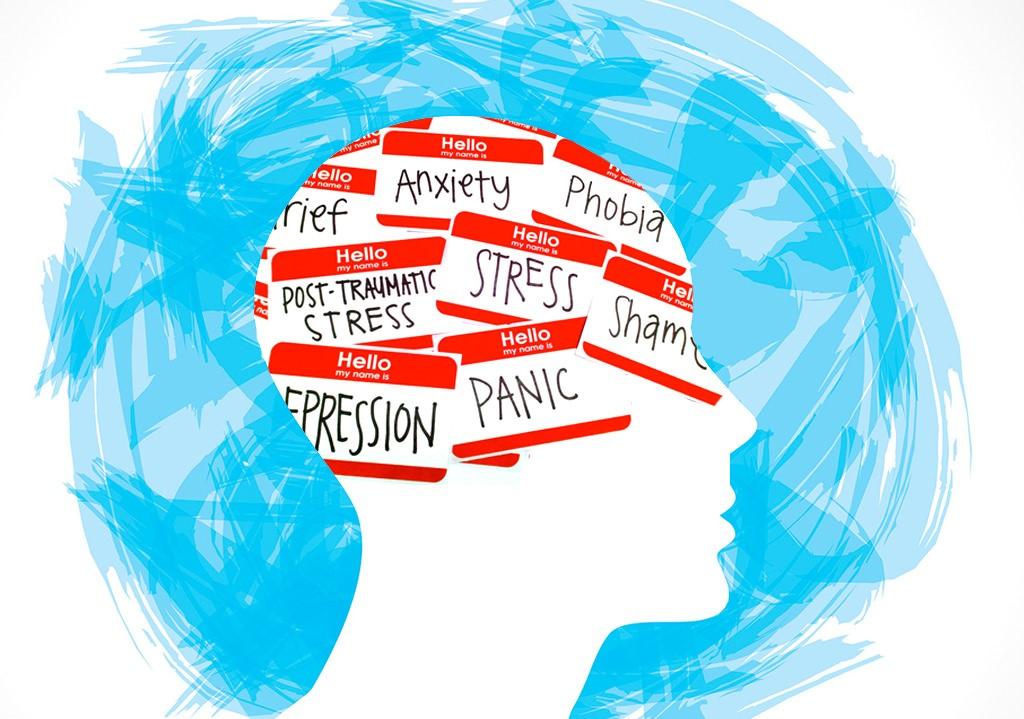
Good mental health is important for everyone.
Mental health is as important as physical health to our quality of life. Mental health is not simply the absence of mental illness, but also means having the skills necessary to cope with life’s challenges. If ignored, mental health problems can interfere with children’s learning, development, relationships, and physical health.

Mental health problems are common but help is available. People with mental health problems can get better and many recover completely.
Posted by Mark Lloyd Bano
 Site Title